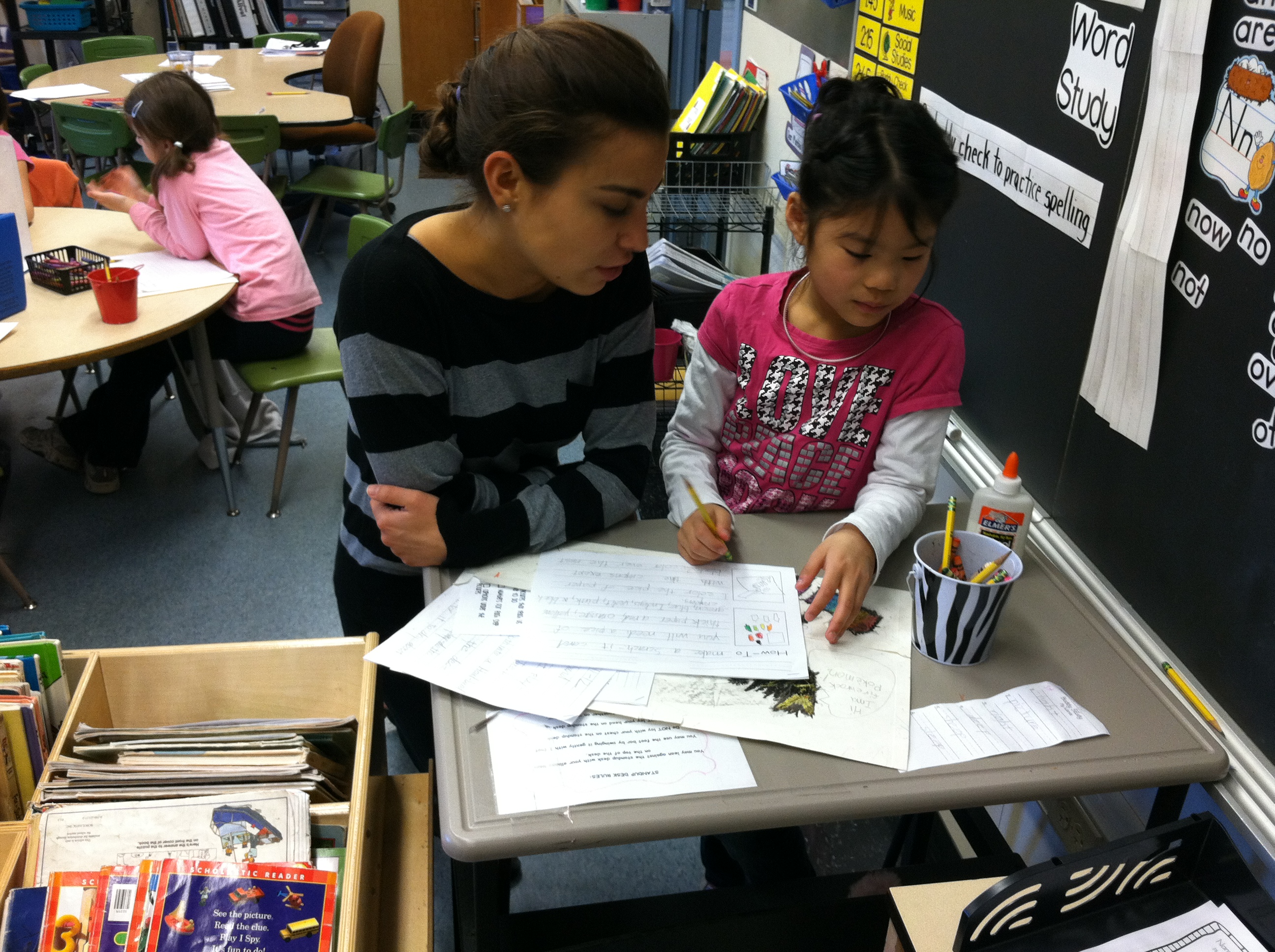
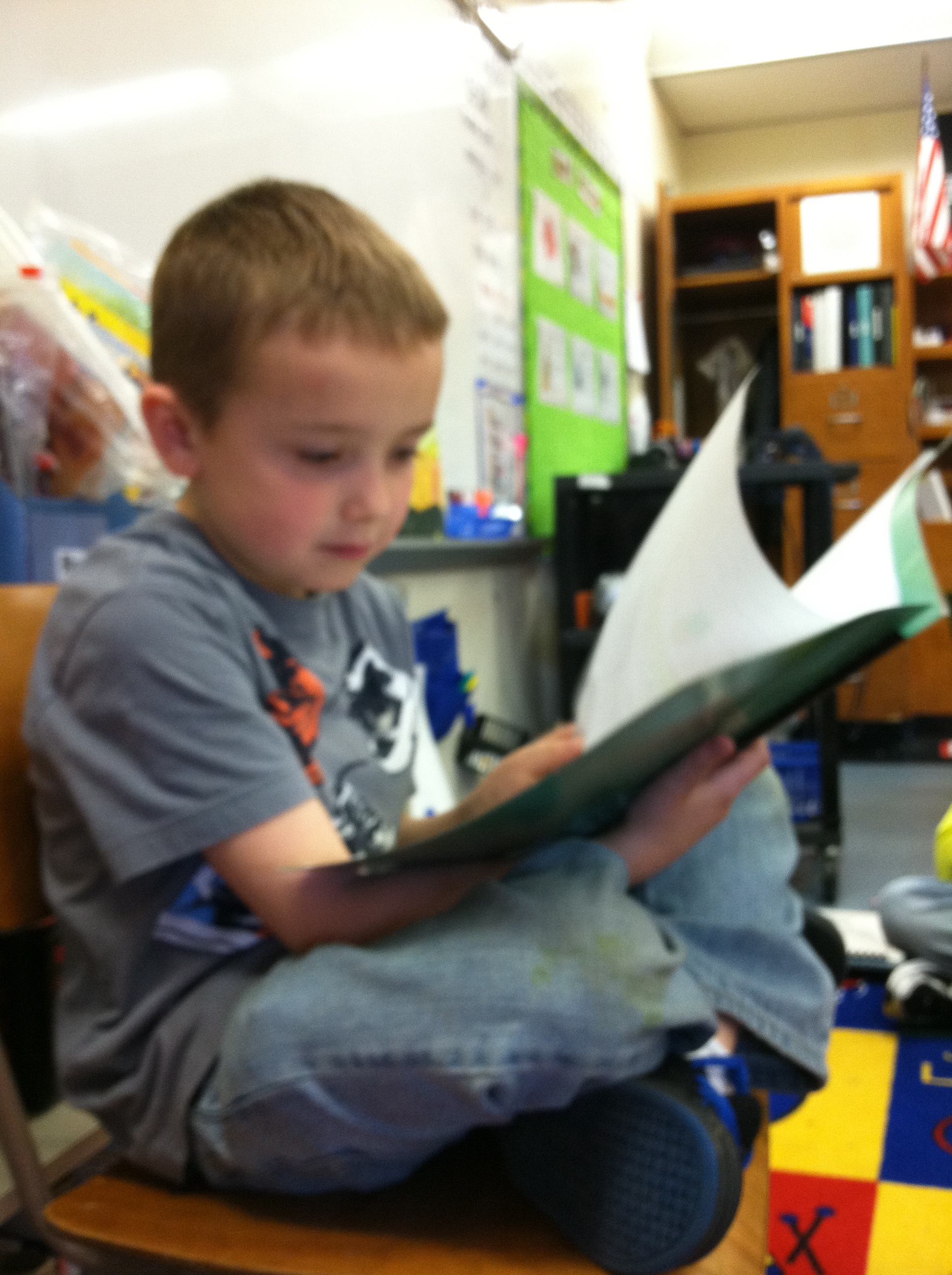
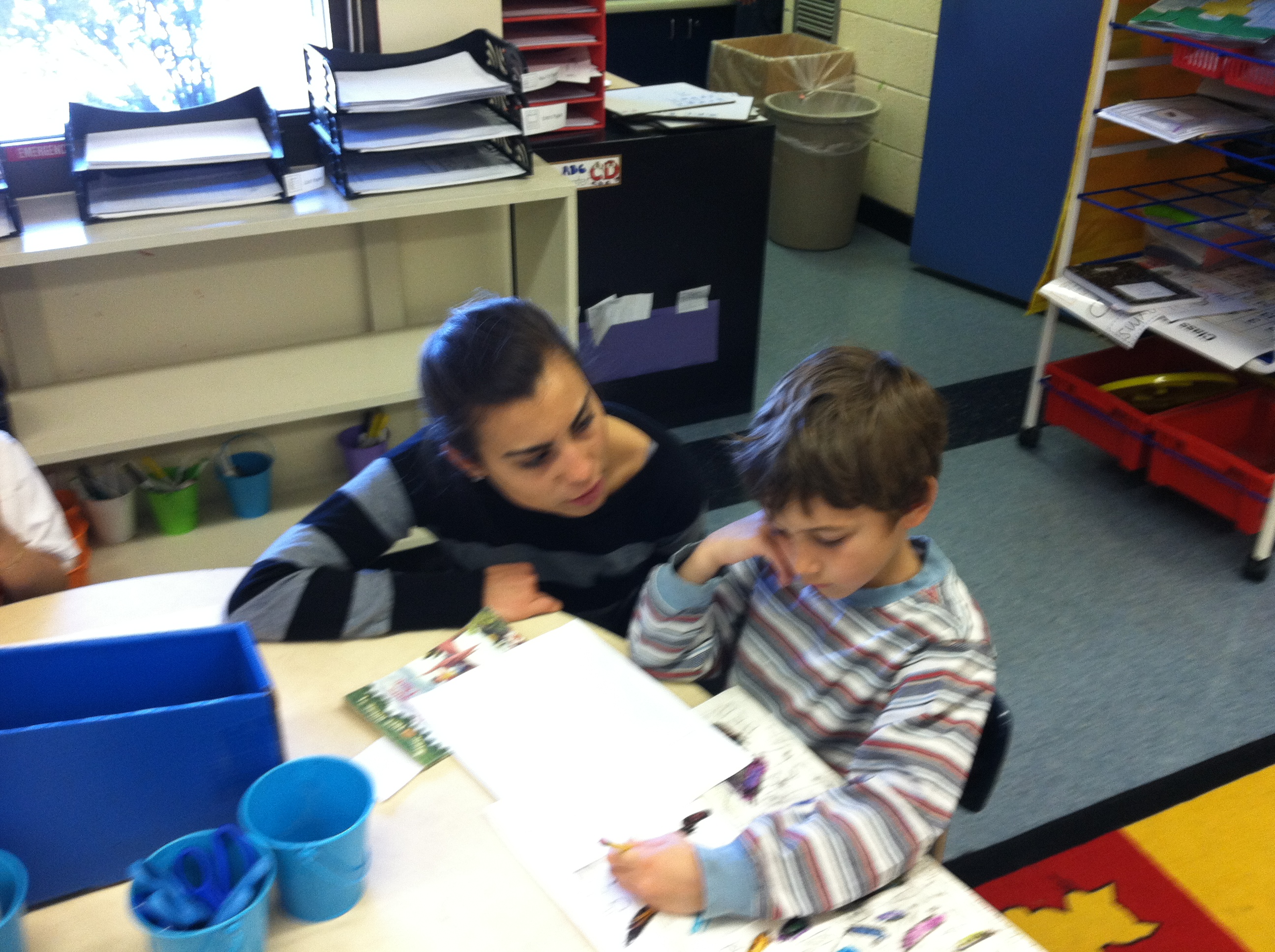
Thoughtful, thorough lesson plans are something every teacher must have in order to maximize student learning. Throughout my student teaching experience, I have had the opportunity to create and adapt lessons for all content areas. If you are interested in seeing sample lesson plans, please email me at etwinney@gmail.com.
The following is an example of a lesson I created as part of a writing unit, Author's as Mentors, I designed. Enjoy!
Lesson 1: Discovering Small Moments, As Mo Might
Overview: This lesson is the first lesson in the Authors as Mentors Unit. The purpose of this lesson is to create excitement for the students and to make them feel like they are starting a new chapter in their lives as writers. The author study of Mo Willems will help students make reading-writing connections and get eager about their own writing, as they all really enjoy Mo Willems’ books.
Context of Lesson: This lesson comes after the Craft of Revision Unit so students are well versed in how to write small moment stories. That being said, it will be a challenge to get students excited because during the first few days of this unit I will ask students to continue to write small moment stories.
Sources: Authors as Mentors, Should I Share My Ice Cream?
Attending to the Learners
Anticipating Student Ideas: Students have been practicing writing and revising their own small moment stories throughout the year but especially during their most recent writing unit, The Craft of Revision. That being said, students should have a handle on writing “seed” stories with a beginning, middle, and end. However, the idea of looking to a particular author, or story for inspiration is new to them and will need to be modeled for them throughout the unit.
Making the Content Accessible to all Students: This lesson should be accessible to all students in the class. However, I know some students may have a hard time focusing on writing in their seats so I can move these children to other spots in the room. Because this lesson involves a long time on the carpet, I will want to make sure students are sitting in spots that will help them focus. Therefore I will assign students writing partners I think they will work well will and have them sit by these students on the carpet. I will also be sure to call on students that I think might have trouble with this lesson to keep them engaged.
Learning Goals
Learning Goals: The goal for this lesson is to get students excited about their own writing and to begin to hunt for stories in their own lives so they can better write personal narratives that have a beginning, middle, and end.
Connection to Standards: This lesson connects to GLCE W.AT.01.01, which reads: Students will be enthusiastic about writing and learning to write.
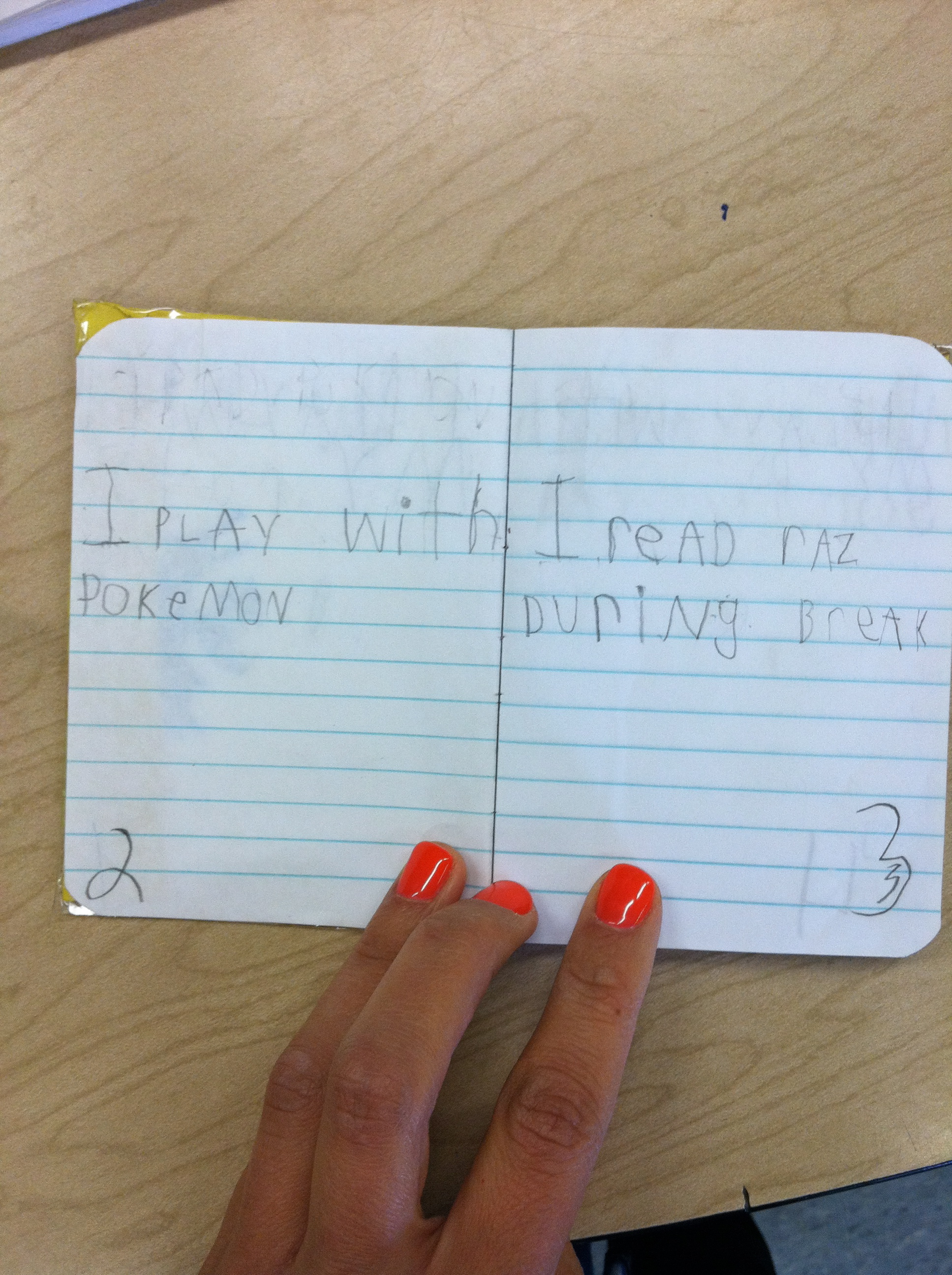
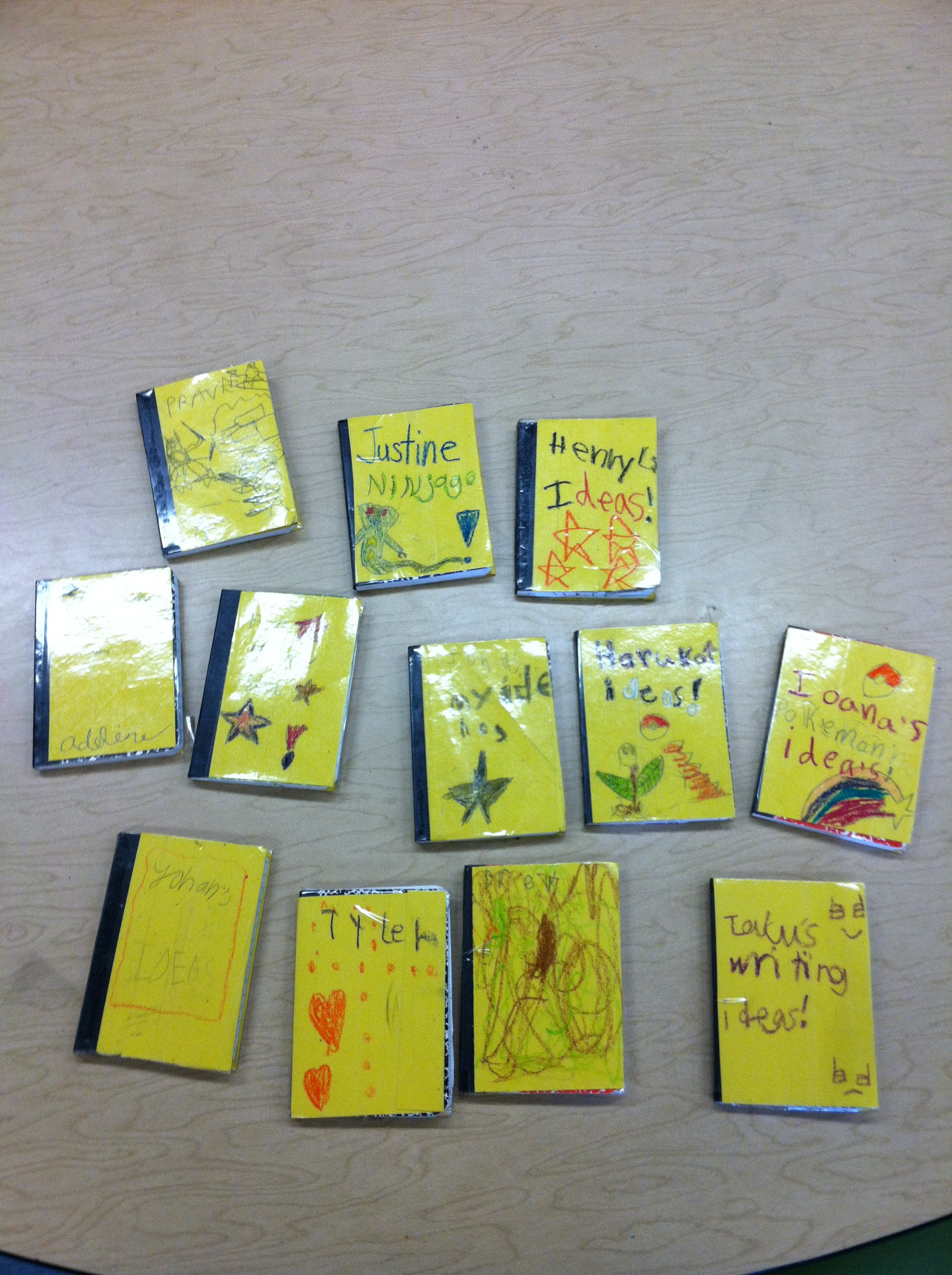
Connection to Activities: Students will create their own “Tiny Topics” notebook in which they can begin to collect ideas for the stories they will write during Writers Workshop
Assessment
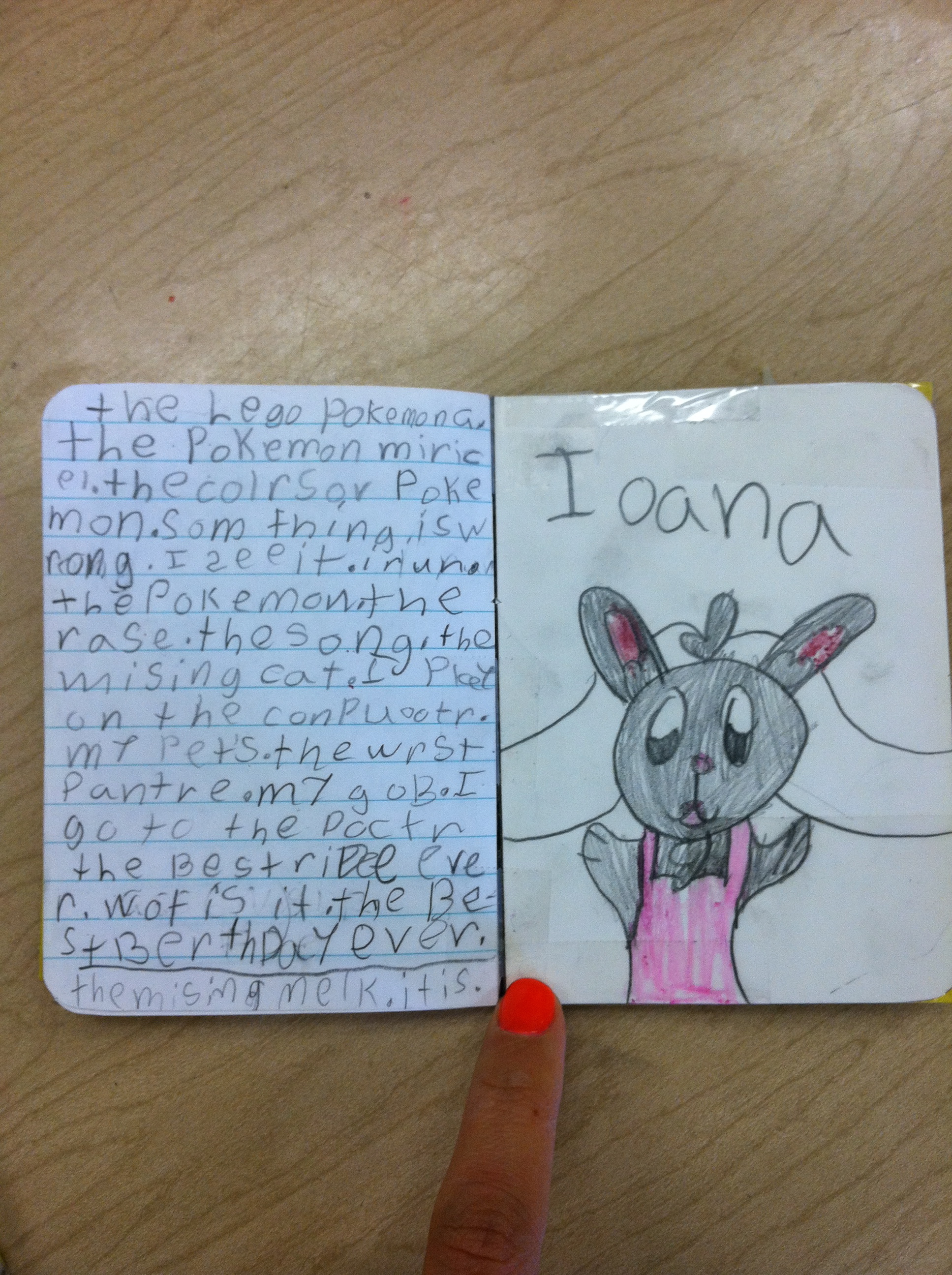
Type of Assessment and Learning-goals Connection: To gauge the students’ enthusiasm about writing, I will check to their “Tiny Topics” notebooks. I will look to see how much effort they put into creating their notebook. I will also check to see if they have begun to generate any ideas for stories.
Instructional Sequence
Materials: Should I Share My Ice Cream? Tiny topics notebooks for each student, constriction paper that will fit neatly on the cover of the notebooks with each students name written on theirs, materials to decorate covers, paper for writing stories, letter to parents explaining the tiny topics notebooks
The Minilesson:
Tell students that I have been thinking about how much they enjoyed the Elephant and Piggie books we had in our classroom that I wanted to read them over break. Explain that as I was reading them, I noticed that the books are just like the books they write.
Read Should I Share My Ice Cream?
After reading say, “When I find a book that is a lot like books I’m trying to write, I think to myself, ‘Hmmm, wait a minute! Maybe this author could be like a teacher or a mentor for me. I can think about how she does this kind of writing, because I am trying to do the exact same thing!’” “Do you think we could take Mo Willems as our mentor, or teacher, and learn from him because we are a lot like him as writers?” “I think so too!”
Reread Should I Share My Ice Cream? Point out that Mo Willems has written a text that is like what the children write-a small moment story.
Tell students that today they need to choose topics and get started writing new pieces. Explain that mentor authors, like Mo Willems, can teach us lessons like how to choose topics and how to get started writing--“When we were on break we missed a whole week of writing! I know that you guys must be itching to start writing again. So, today we will choose topics so we can start writing new pieces. Today I want to show you how a mentor author, like Mo Willems, can give us tips on how to come up with ideas for writing.
Tell students that Mo probably first thought of a big general topic (Elephant and Piggie’s friendship) and then decided to focus on a tiny aspect of that topic (Elephant deciding whether or not he should share his ice cream)
Tell students that to keep track of all these little details that later became the stories they love, Mo Willems probably wrote down these ideas in a notebook so he could remember them (show Tiny Topics notebook).
Ask children to think of a big topic and to turn and tell that topic to their writing partners. Then ask them to think of one, tiny, tiny, story idea-a seed-inside that big watermelon topic that they could write a small moment story about.
Call class together, ask students to share (be sure to call on Drew, Jonas, and Anne).
Tell students those sound like great ideas but that writers always record their ideas so they will remember them. Give students tiny topic notebook in which they can collect tiny detail they might want to write about.
Workshop:
Pass out Tiny Topic notebooks by table. Tell students that they will be decorating the covers, fancying them up (already have supplies on tables). When they have finished “fancying” up their notebooks, they are to raise their hands and you will come tape them onto their covers.
Tell students when they are done fancying up their notebooks, they can begin to write ideas in their notebooks.
Throughout the workshop remind students that they only write ideas in their notebooks, not whole stories. Find example to share with class.
After-The-Workshop Share:
Get attention of the class. Tell tables to clean up and bring their notebooks with them down to the rug when their tables are all clean. Once all students are on the rug, show class examples of students who used their tiny topic notebooks effectively.
Collect notebooks as students leave for lunch for assessment.
Post-Workshop Teaching Point:
During snack, reread Should I Share My Ice Cream? Say, “Before you go home today I wanted to reread Mo Willems book, Should I Share My Ice Cream? one more time. This time, I want you to think about the kind of life Mo probably lives to write the this because when you go home tonight I want you to think about living like an author.”
After reading, discuss with students the kind of life Mo Willems probably lives. Tell students who hear them saying that (whatever they say). Make sure to connect to the idea that Mo Willems watches for little things that could become stories and they can do this too and record these in their tiny topics notebooks.
Dismiss students for home, making sure to give them their math homework, their tiny-topics notebook, and the letter that explains this to their parents.
As you can see from the samples of student work above, students had a lot of fun creating their Tiny Topic notebooks and coming up with ideas in them! After assessing the students work, I found that their were two students who had begun to write full stories in their Tiny Topic notebooks. I met with these students and reviewed the use of the notebooks with them.