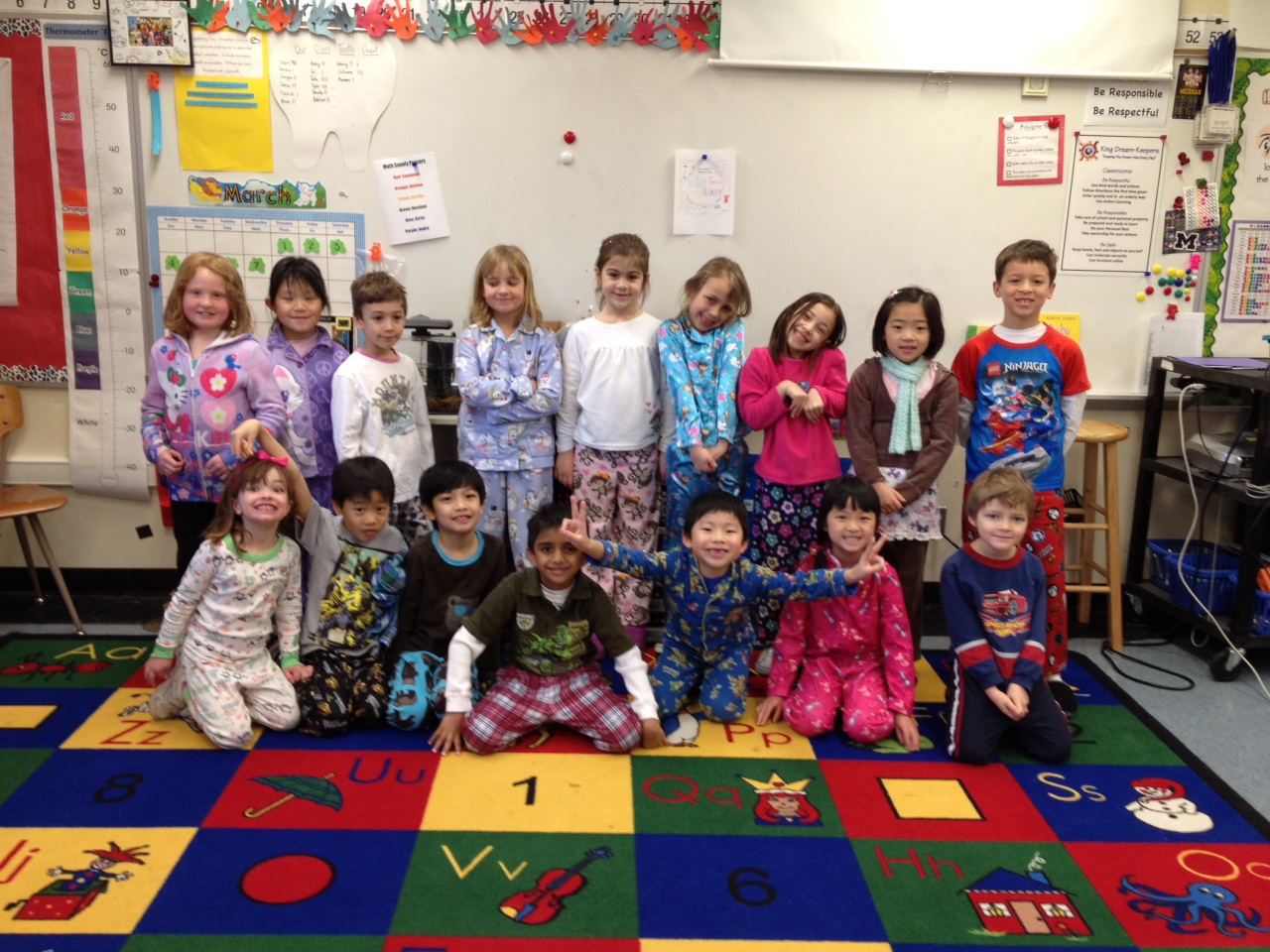
In addition to planning and adapting lessons to help students meet content specific lesson objectives, teachers also have the responsibility of building a classroom community. For me, building a classroom community means creating a fair, equitable, and respectful environment that affords learning opportunities for all students and also maintains students' intellectual and emotional well-being.
Creating Collaborative Learning Opportunities
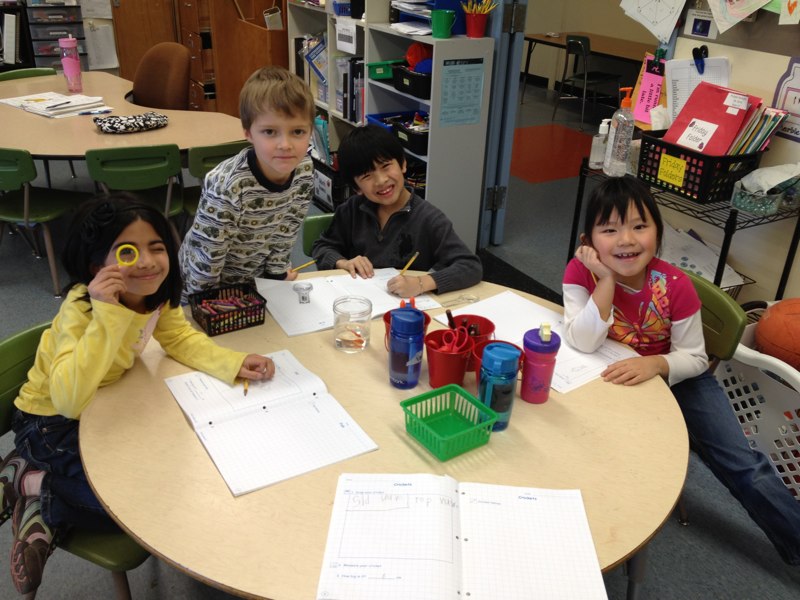
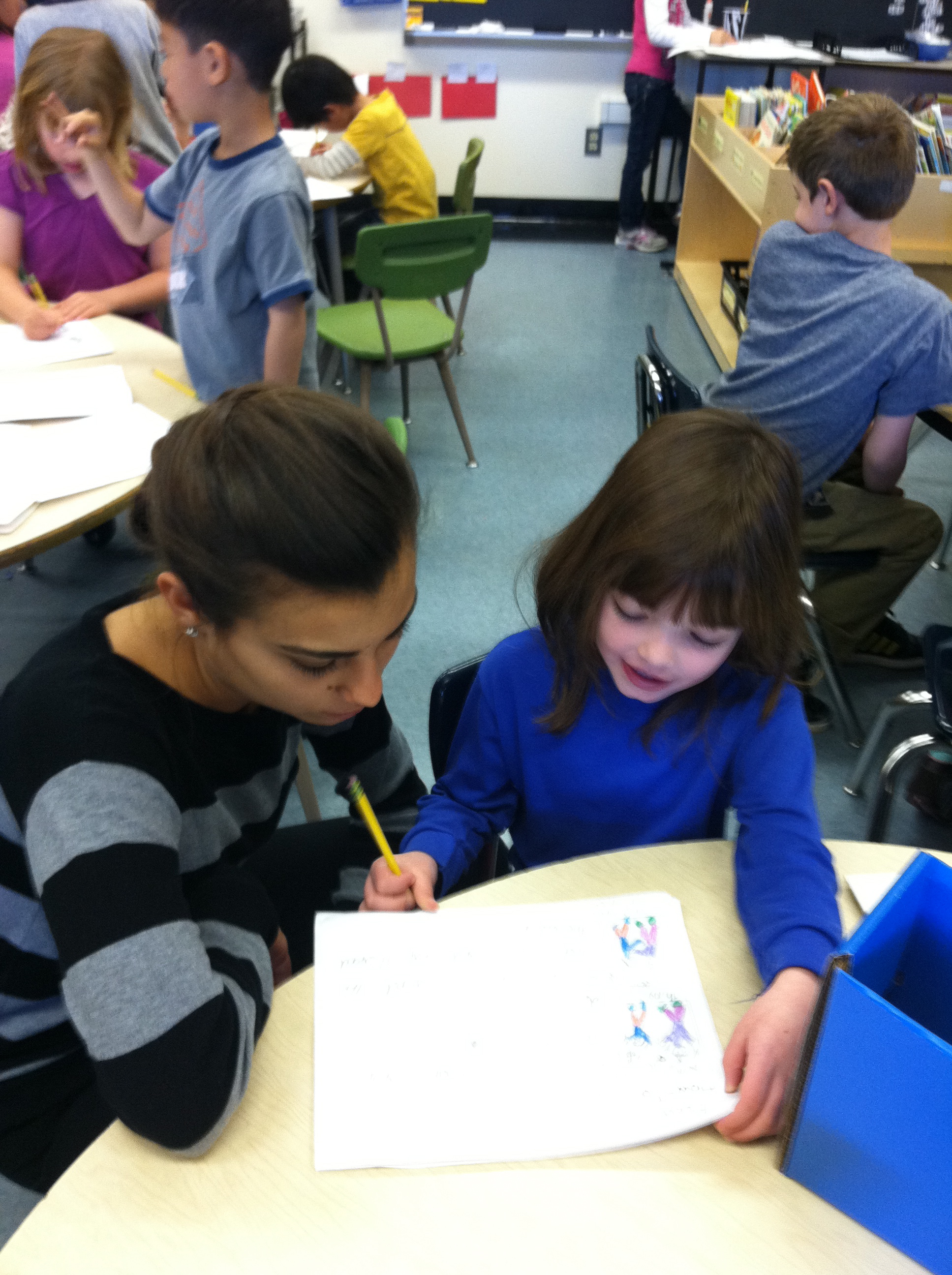
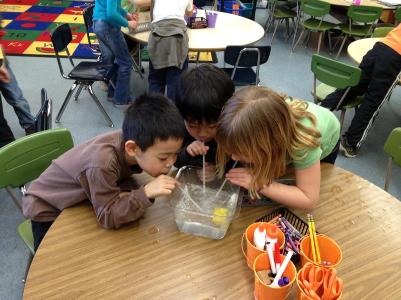
It is critical for students to be given the opportunity to work together so they can problem solve as a team, engage in meaningful discussions, and understand the importance of cooperation. As such, it is important for me to design a classroom where students can have these collaborative learning opportunities. While there are several ways teachers can scaffold these opportunities, here is a list of practices I employed that I found particularly useful in creating meaningful collaborative learning opportunities:
|  |
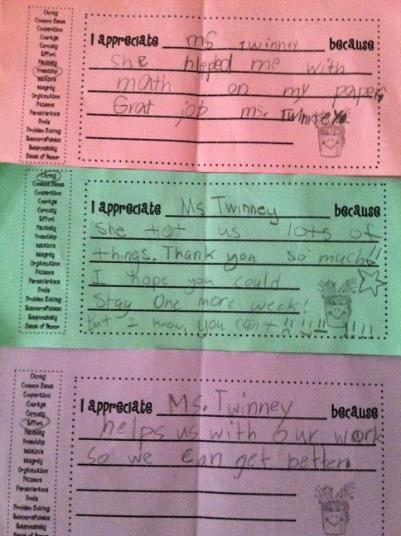 | Classroom Culture I believe that classrooms should have a culture that simultaneously values learning and upholds fair, equitable, and respectful environment. Using techniques from Teach Like a Champion, Learning with Love and Logic, and PBIS (Positive Behavior Intervention and Support), I have seen first hand the benefits of purposefully instilling a sense of this in students. Encouraging students to use life skills, such as perseverance, problem-solving, effort, and friendship, not only increases student achievement but also inspires students to be better citizens. The picture on the left is just one of the tools my mentor teacher and I used to foster the classroom culture I described above. Students wrote anonymous appreciations to other students (and teachers) in the class when they noticed them using their life skills. I would then read these appreciations throughout the day, encouraging students to keep up the good work. |